"Will they make a solid foundation?" Curze asked.
They had returned so ti ago. The leaders of the Hadrid gang and other rival gangs were all dead. But Curze and Caelan had remained in the shadows, silently observing the children.
Caelan said, "To make strong ramd earth, you need to pound it down. To make bricks, you must fire them first. Only then can earth and bricks form a sturdy foundation. Whether they can beco one depends on you."
"And on you," Curze added. "You taught them. You taught as well."
"This is your kingdom," Caelan reminded him.
"It's yours too." Curze looked him in the eye, expression deadly serious. "No matter what this kingdom becos, half of it will always be yours."
Caelan chuckled. "Seems you really have changed."
Curze frowned. 'Changed? How?'
Caelan asked: "Have I ever told you the story of Batman?"
Curze shook his head.
He was born knowing, not all-knowing. Caelan's strange fairy tales were unknown to him.
"Then listen. Long ago, in a world called Gotham, the Wayne family were its richest. But one night, while out at the theater, the parents of young Bruce Wayne were murdered in an alley by a thug."
"Why didn't they bring guards?" Curze interrupted. "Even a gang boss knows better than to walk alone."
"That doesn't matter. Don't interrupt! Anyway, they died. Only Bruce remained. When he grew up, he swore to fight cri. He donned the Bat-suit, becoming Batman, hunting down every criminal in the world."
"Each ti he found one, he killed them in the cruelest ways, flayed their skin and hung it on the spires, broadcasted their torture to every ho, until the whole world lived in fear."
"In the end, cri completely disappeared. Under Batman's 'just' rule, no one dared steal, let alone murder, because his only punishnt was death. The only difference was how painfully each criminal died."
Curze listened in silence, then comnted:
"He was a fool."
"Indeed," Caelan nodded. "But there's another version. Sa Bruce, sa murdered parents. He still grows up to fight cri in the Bat-suit. But this ti, he swears never to kill. No matter how vicious the criminal, he only captures them and leaves their punishnt to the law."
"But the criminals always find ways to escape justice, over and over, bringing greater destruction."
"And even then, he wouldn't kill them?"
"No. Never."
"He was even more of a fool," Curze said flatly. "Principles are fine, but his are idiotic. Even if he refused to kill, he should've overseen the law to ensure punishnt. Catching them and letting go, that's useless."
Caelan asked softly: "If it were you… What kind of Batman would you be?"
Curze thought long and hard.
"I would kill. Kill every criminal. Kill until even the good n are too afraid to do wrong."
That was how he had always lived. Now, his resolve was iron.
Caelan didn't argue. To him, Curze was extre, but perhaps a bit of extremity wasn't such a bad thing.
Why let criminals live to harm more people?
And Curze wasn't indiscriminate. In his heart, he believed everyone was guilty.
But he was rciful. He hadn't killed the children. He gave them a chance to atone.
Caelan looked back. Behind them trailed a crowd of children.
They were taken from the destroyed gangs, so were gang kids, so orphans.
Their faces were lost, for they had no direction.
When survival itself becos a luxury, lofty ideals are a joke.
You had to feed them first before speaking of dreams.
"We're back. Open the gate," Curze's voice sounded beside Leon's ear.
Leon's heart clenched. When had he gotten so close?
Philly reacted first. Overjoyed, she rallied the orphans to swing the gate wide.
Caelan entered the camp, bringing more children.
They carried sacks of spoils, loot from the broken gangs.
The gang-born kids were full of dread. They knew their fate would be bitter. The orphans, though, looked on with curiosity and hope.
The forr knew suffering awaited. The latter didn't care, as long as they got food, they would do whatever was asked.
Dorothy frowned. It was a happy problem.
She wanted the underhive to be better. That was why she taught every child she could, scavenger or gang-born.
But there were too many now. She couldn't teach them all.
Caelan saw her struggle and told her, "You don't need to teach them to understand. Just teach them to obey."
Dorothy hesitated. That wasn't her intent.
Caelan asked: "Do you think Curze and I are good n?"
Dorothy nodded. They had killed many, but it was to build a better world. That made them good n.
"Crowds are blind," Caelan said. "Once people join a group, their intelligence drops. To gain belonging, they will abandon right and wrong, trading reason for the safety of acceptance."
"If they join a gang, they'll commit evil to be recognized. But if they join us, they'll follow us. Even if they don't understand our cause now, they'll still be doing good in practice. In ti, they'll co to enjoy being recognized for good deeds, and they'll do them willingly, until they truly understand why."
Dorothy saw the fatal flaw. The reasoning was sound; if Caelan and Curze were good n, then the children would grow into good n.
But if Caelan and Curze ever turned evil?
She feared that. But then realized her fear was useless.
If even they beca evil, then the world was beyond saving.
Better to hold the present than fear the future.
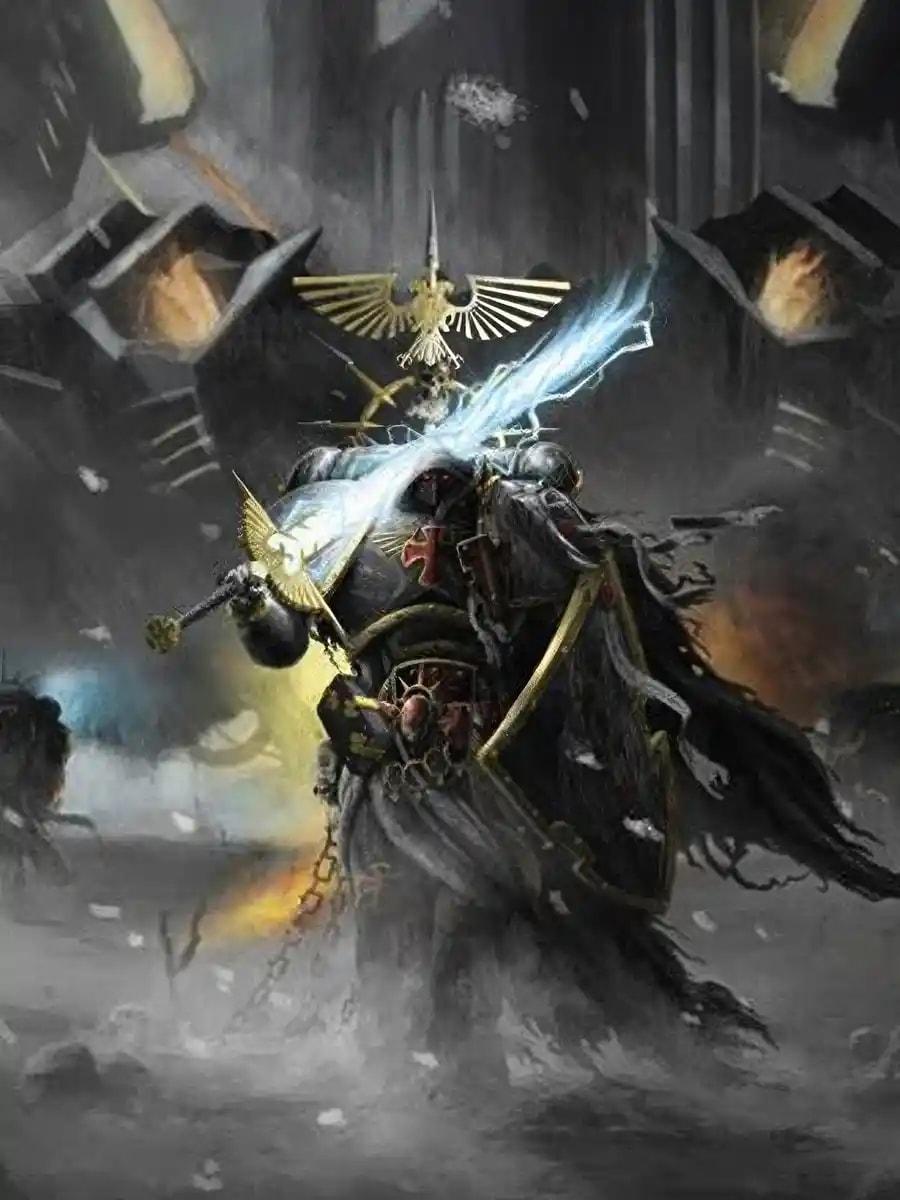
"Welco, sinners." Curze stood before the children, his tall, pale body cloaked in shadow. "You are all guilty. Yet I will grant you a chance to atone. Rember this well: you only get one."











User Comments
0 comments from readers